
 Isabelle


(Yes, that’s what I call it. Ha!)
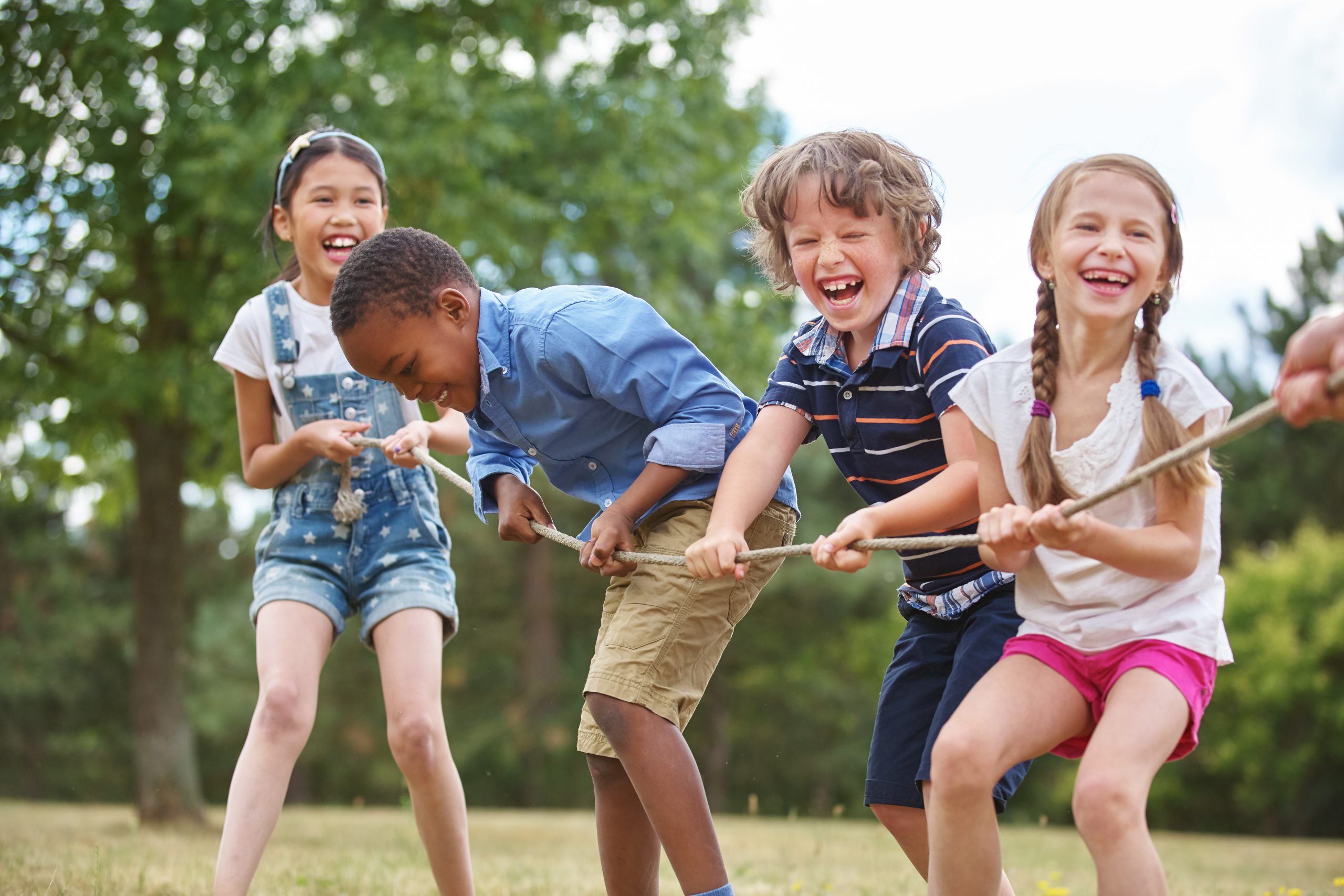
Picture © Robert Kneschke – Adobe Stock
Sibling rivalry is all about the jealousy, competition and fighting between brothers and sisters. It is a concern for almost all parents of two or more children. Problems often start right after the birth of the second child. Sibling rivalries usually continue throughout childhood and can be very frustrating and stressful for parents.
Parents Today
Apparently, even with all my research, this is normal.
Kids fighting isn’t all bad, as long as it’s not physical fights or bullying. Bickering helps kids learn to compromise, resolve conflicts, and practice self-control. However, it can become a problem, particularly among children who are the same gender and close in age.
Sibling Rivalries are Lower in Families Where Children Feel
They are Treated Equally by Their Parents
(That Seems Easy Enough When You Read it).
What is the root cause of sibling rivalry?
They want to show that they are separate from their siblings.
Children feel they are getting unequal amounts of your attention, discipline, and responsiveness. Children may feel their relationship with their parents is threatened by the arrival of a new baby. This is exactly what happened when my second son arrived. I do believe the anger issues of my oldest are related to sibling rivalry but not all of them as we already know with his medical conditions.
What is a toxic sibling? Do you have one of your children that might be toxic ? I know, this term is really harsh!
Sometimes, a toxic sibling might not be fully aware that their actions are hurting you, the family or their siblings. Other times, they might be aware but they may actually be acting in these poor behaviours because it’s a cry for attention or help — This means you’ll need to see a professional for some help ASAP.
If any of this seems familiar, then keep reading, I’ll give you a little bit of advice that has been working for us, slowly but surely. Now remember, not everything works the same way for everyone, but you can adapt pretty much everything.
Preventing Sibling Rivalries (or trying)
Here’s a few pointers:
- Stay calm, quiet and in control. Pay attention to what your kids are doing so you can intervene before a situation begins or escalates. Keep your cool and your kids will learn to do the same. Yes, this part is really hard, even for me!!! 🙂
- Create a cooperative environment. Avoid comparing your children, favouring one over the other or encouraging competition between them. Instead, create opportunities for cooperation and compromise. Don’t forget to set a good example too. How parents interact with one another sets an example for how their children should interact. If your children see that you or your spouse slams doors or have loud arguments, they’re more likely to do the same and see it as a proper way of handling their problems.
- Celebrate individuality. Children are less likely to fight if they feel you appreciate each of them as an individual. Start by avoiding labels and pigeonholing and let each child know that they’re special time with them individually. If one child loves to run around outside, grab your sneakers and soak up the sunshine with them. If the other child likes to spend time reading their favourite book, snuggle up next to them. Then make sure that everyone has the space and time they need to be alone. It seems easy enough, but it’s not. Having to split ourselves in so many pieces isn’t easy. But to help our children, this is mandatory. For my part, my oldest son is way more sporty than my second son and he loves and needs to run in the evening to burn the extra energy he has to be able to sleep. And I personally hate the cold weather, so this is hard for me to go outside with him. But we go, and take a run around the parking lot (ok, I’m walking) at -17, at 8 o’clock at night. This way, he got the time with mommy and the exercise he needed, and I also got to read a story and snuggle with my second son after when we got in.
- Plan fun family time. Family dinners, playing board games, spending time at the park and doing activities are a great way for children to bond and share positive memories together. These moments give children less incentive to pick fights with each other and give them an opportunity to spend more time with you.
- Treat kids fairly- Not equally. For parents, fairness is essential, but fair doesn’t always mean equal. Punishments and rewards should be tailored to your children’s individual needs. For example, you don’t have to give two children the same toy. Instead, give them different toys suited to their ages and interests. That kind of fairness will go a long way.
How to intervene: without making it worse?
Let’s keep in mind that we want to handle sibling rivalries as positively as we can.
- It takes 2 to tango! Rarely you will witness the events leading up to the fight. Instead of playing the blame game, focus on each child’s role in the situation.
- Listen. During the fight, most children are frustrated and emotional, Listen to your children and respect their feelings as they are lashing out.
- Although their emotions are not an excuse for negative or aggressive behaviour, children will be more likely to cooperate if they feel they are being heard. If your child starts to hit, reiterate that violence is not tolerated and is not acceptable. Tell them that using their words is the only way to solve a problem and you’ll be there to hear them out.
- Give children problem-solving tools. In order to avoid future disputes, use conflict as an opportunity to provide your children with tools for solving future problems. Demonstrate how they might compromise, share or approach a similar situation in a more positive, appropriate way.
- Make punishments private. If a spat between siblings results in the need for punishment, or consequence, avoid making the conversation public. This can shame a child in front of his or her siblings, creating greater animosity between them. This is the time to teach a lesson — not make an announcement. And having those types of conversations are always better in private.
- Have a family meeting. Gather the family and talk to give everybody a chance to say what they want to say. It’s time to empty the emotional bag they’ve been carrying all week, or all day. It’s also an opportunity to establish house rules that family members can agree to follow. Hang these rules in a public space, like the kitchen, to remind everyone of their commitment to being a happy, healthy family.
- Try to find the underlying source of the problem. While boredom and a desire for attention are two common reasons for fighting, there are many other reasons for it. These could be as complicated as underlying sibling rivalry or as simple as hunger. Sometimes bickering is just a way for kids to blow off steam. Understanding the cause of the fights will indicate the best way to handle it.
- Don’t get Discouraged. Reducing kids’ fighting is a process that won’t happen overnight. And some kids are more prone to bickering, fighting and sibling rivalry than others. Give kids the structure and strategies they need to deal with problems, but remember they are kids. Fighting with your siblings is all part of being a kid.
If your child loves stories, this book may help.
Dragon Sibling Rivalry